How to Choose the Right Bulk Bread Supplier in Gurgaon
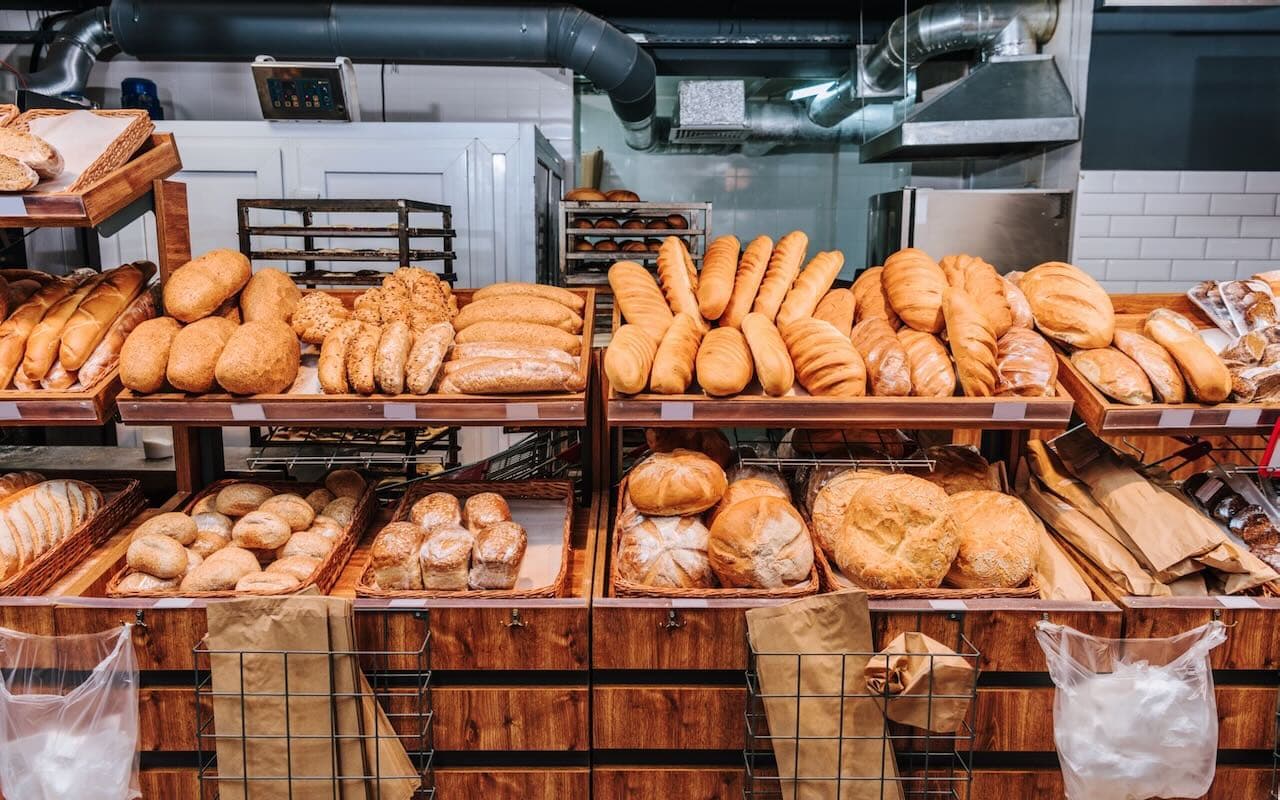
Choosing a bulk bread supplier in Gurgaon comes down to one question: will they still be reliable in month eight, not just on the trial delivery? The city has no shortage of bakeries willing to quote a price, but a low quote means nothing if the van doesn't show up on a Saturday morning during brunch rush, and a restaurant kitchen has no backup plan. Picking a bread supplier is a kitchen-operations decision as much as a procurement one, and it deserves a proper checklist rather than a gut call — delivery record, freshness process, batch consistency, compliance paperwork, custom specs and account support, roughly in that order of importance.
Start With the Delivery Record, Not the Price List
Price is the easiest thing to compare and the least useful signal. A supplier who's 8% cheaper but misses one delivery a month will cost you far more in lost covers and annoyed guests than the discount is worth. Before signing anything, ask a prospective supplier directly:
- How many missed or late deliveries have you had in the last six months, across all clients?
- What's your contingency plan if a vehicle breaks down or a route is blocked?
- Can you provide references from clients with a similar order volume to mine?
A supplier confident in their record will answer with numbers, not reassurance.
Freshness Is a Process, Not a Claim
"Fresh baked daily" appears on almost every bakery's marketing material, so it's worth verifying rather than taking at face value. Ask what time production starts relative to your delivery window, and whether any part of the range is frozen dough or par-baked stock finished on-site. We've written a full breakdown of why the fresh-vs-frozen distinction actually matters for restaurants and hotels if you want the production-side detail.
Questions worth asking on a facility visit
A short site visit answers more than a phone call: is dough being mixed and proofed on the morning of dispatch, or is finished stock pulled from a walk-in freezer? Both can be marketed as "fresh," and only one holds up to scrutiny.
Consistency Matters More Than Any Single Sample
A single trial delivery tells you what a supplier can produce when they know they're being evaluated. What matters for day-to-day kitchen operations is whether bun #1 and bun #5,000 are the same weight, diameter and crumb structure. This is largely a function of whether the bakery uses standardised recipes and calibrated equipment with batch-level QC, versus manual production that drifts over time. Ask to see their QC process, not just a sample box.
Compliance Documentation Should Be Available on Request
Any bakery supplying restaurants, hotels or institutional canteens in Gurgaon should already hold a valid license from the Food Safety and Standards Authority of India (FSSAI) and be able to produce it immediately, along with any ISO or food-safety audit documentation your organisation requires for vendor onboarding. If a supplier needs weeks to "get the paperwork together," that's a signal about how seriously compliance is treated day-to-day, not just on request.
Custom Specifications Shouldn't Require a Premium
Most B2B kitchens have specific requirements — a burger bun at a particular gram weight, a loaf sliced to a particular thickness, an eggless variant for a specific menu line. A supplier that treats these as standard B2B account management rather than a special favour is generally a better long-term fit than one that can only offer their existing catalogue as-is. Check the supplier's full bread and bakery product range to see how much variety they can actually support before you ask for something custom.
A Single Point of Contact Beats a Call Centre
When something needs to change — a volume adjustment, a recipe tweak, an emergency top-up order — you want one named account manager who already knows your account, not a rotating support queue. It's a small detail in a sales pitch but a significant one in daily operations, particularly during a busy service when there's no time to re-explain your account from scratch.
Quick Reference: Red Flags vs Green Flags
Use this table as a fast scorecard during supplier calls or facility visits — the more green-flag answers you get, the safer the switch.
| Criteria | Red Flag | Green Flag |
|---|---|---|
| Delivery record | "We're usually on time" with no numbers | Specific missed-delivery count across all clients |
| Freshness | Vague "fresh baked daily" claim | Can state exact production start time vs delivery window |
| Batch consistency | No formal QC process mentioned | Calibrated equipment and a documented QC check per batch |
| Compliance | FSSAI/ISO documents take weeks to produce | License and audit documents available same day |
| Custom specs | Custom requests treated as a special favour | Custom specs handled as standard account management |
| Account support | General number, rotating support staff | One named account manager for the account |
Common Mistakes Restaurants Make When Switching Suppliers
Even kitchens that do their homework on a new supplier tend to trip on the same few things during the actual switch:
- Switching everything at once. Moving 100% of volume to a new supplier on day one leaves no fallback if the first week has teething problems. Run a partial overlap first.
- Skipping the written agreement on specs. Verbal agreement on a bun weight or slice thickness drifts within a few months without it being documented in the account terms.
- Not testing peak-volume days. A supplier can look flawless on a quiet Tuesday and still struggle on a Saturday or a festival weekend — test the switch across at least one high-volume day before committing fully.
- Ignoring the exit terms of the old contract. Notice periods and minimum commitment clauses can create an awkward overlap cost; check this before you start the new supplier's trial.
Conclusion
None of these factors alone is disqualifying, but together they separate suppliers who treat B2B bread supply as a relationship from those treating it as a transaction. Gurgaon's better-run kitchens — the ones that never seem to have a bread problem — tend to have picked their supplier on exactly these criteria rather than on the lowest quote in the room. If you've already got a supplier and are wondering whether it's time to switch, our post on signs your bakery supplier is costing you customers is worth a read before your next contract renewal.
If you're evaluating suppliers for daily bread and bun supply in Gurgaon, JBR International supplies 100+ restaurants, hotels and cloud kitchens across Gurugram and Delhi-NCR with a documented zero-missed-delivery record — get in touch for a trial delivery.
Frequently Asked Questions
How do I choose a bulk bread supplier in Gurgaon?
Evaluate a bulk bread supplier in Gurgaon on six things, in order: delivery record (ask for missed-delivery numbers, not promises), whether their process is genuinely same-day baked, batch-to-batch consistency and QC, valid FSSAI and ISO documentation, willingness to support custom specs at no premium, and a single named account manager rather than a call centre.
What is a reasonable minimum order for a bulk bread supplier?
Most B2B bakeries in Gurgaon set minimum daily orders anywhere from 10 to 50 loaves or units depending on the product, with volume discounts kicking in above that. It's worth confirming the minimum before a trial, since some suppliers only extend their best pricing and custom specs to clients above a certain daily volume.
Should I choose a supplier based on the trial delivery alone?
No. A trial delivery shows what a supplier can do when they know they're being evaluated. What matters more is their delivery record over months across other clients, their batch consistency, and how they handle a routine request like a recipe tweak or volume change after the relationship is established.
How long does it take to switch bulk bread suppliers?
A clean switch typically takes two to four weeks: a trial delivery, a short overlap period running both suppliers in parallel to compare consistency, then a full cutover once the new supplier has proven reliable on your actual order volume rather than a one-off sample.

About the Author
Birbal Singh · Founder
Birbal founded JBR International Ventures Private Limited with a vision to bring world-class bakery solutions to India, and holds a post-graduate degree in International Business.