Frozen Bread Suppliers for Hotels and Catering: A Practical Buying Guide

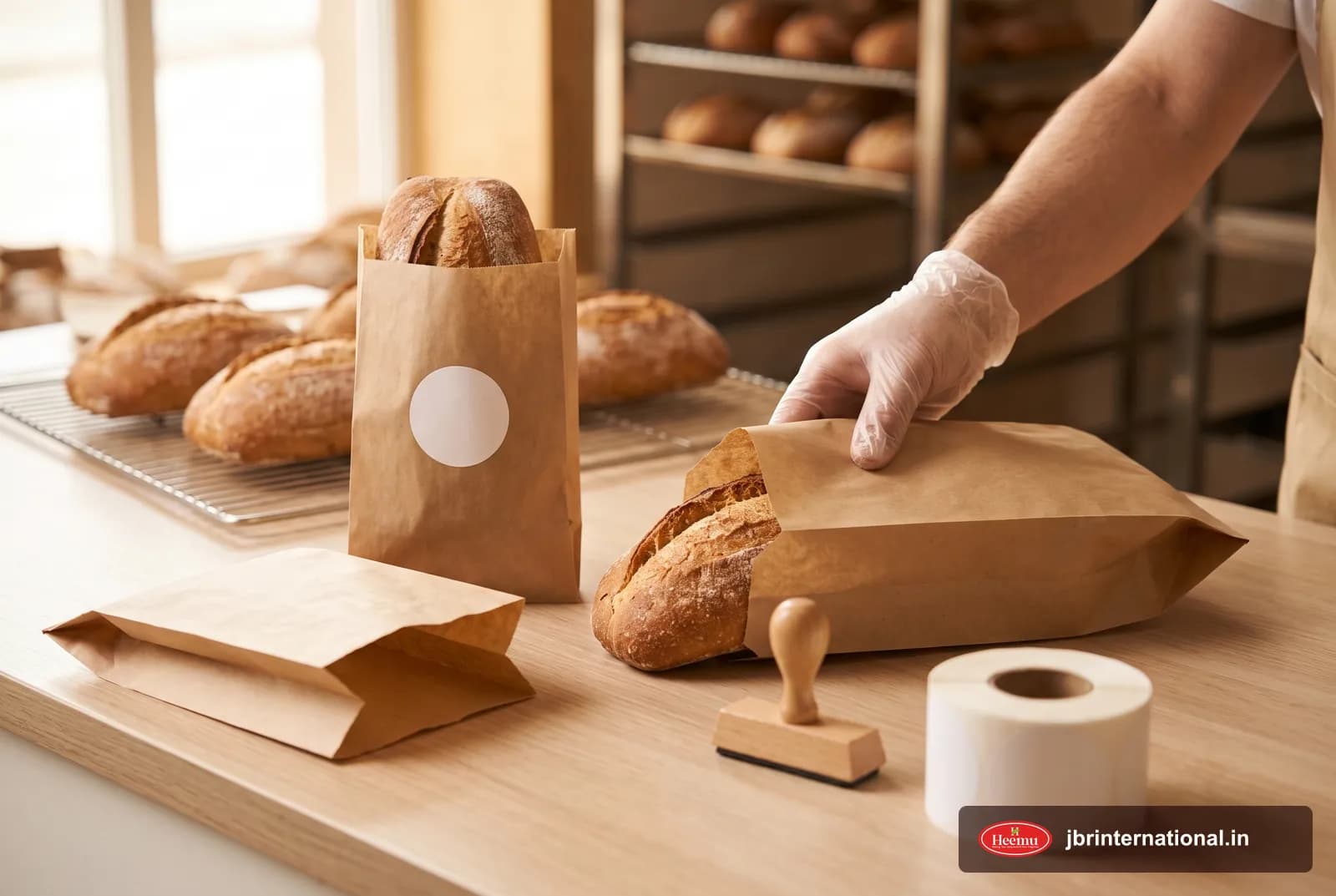
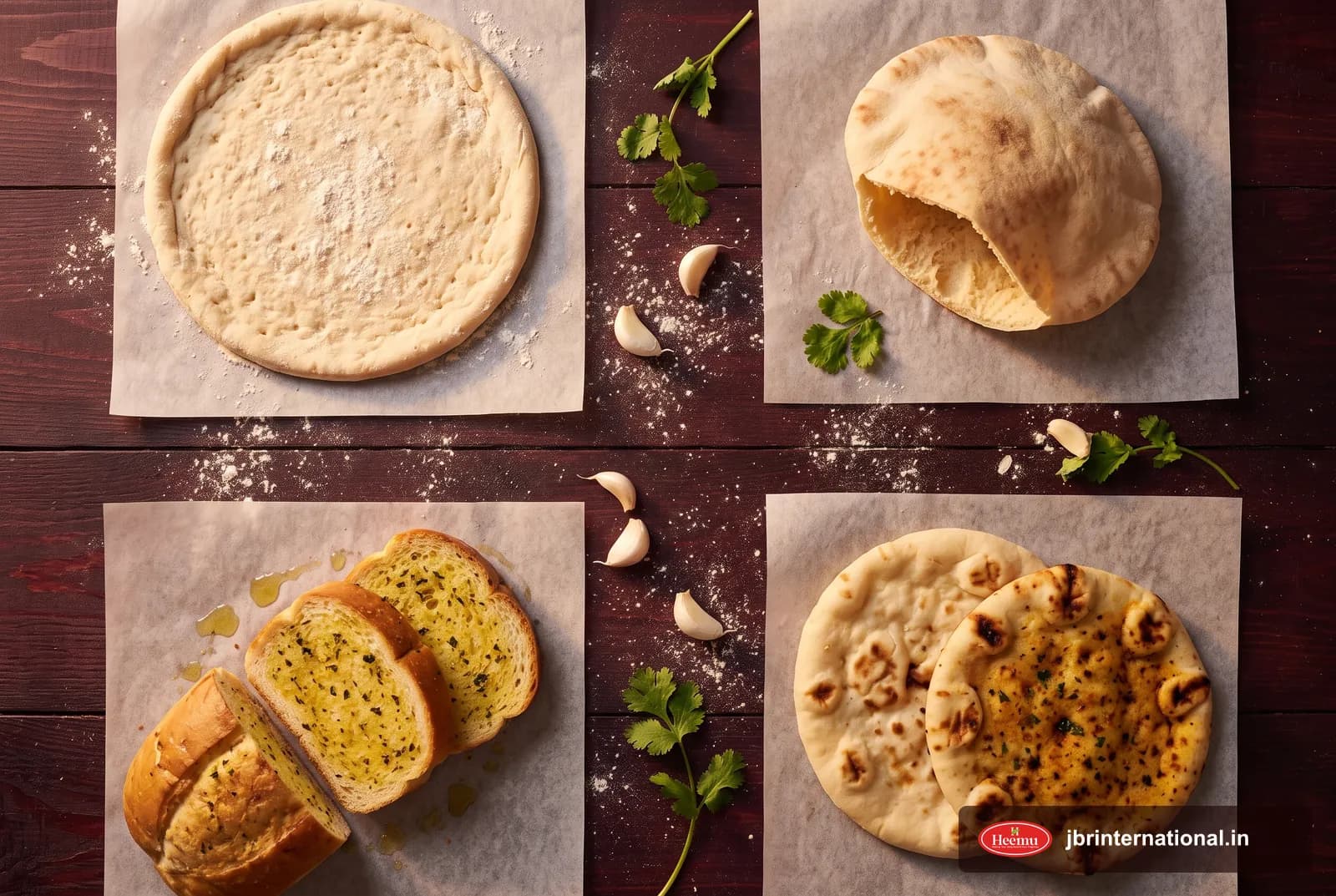
Frozen bread can be a sensible choice for a hotel or caterer, but it is not one product. A loaf made from frozen dough, a par-baked roll and a fully baked bread that was frozen after cooling all need different equipment, labour and storage. This guide helps you decide which format fits your kitchen and what to check before choosing a supplier. It also covers the cases where a daily fresh order is simpler. If you want the wider quality comparison first, read our guide to fresh vs frozen bread.
The Three Frozen Bread Formats
Before comparing quotes, confirm exactly which format each supplier is offering. The price per piece means little until you know how much work is left for your kitchen.
| Format | What your kitchen does | Equipment needed | Best suited to |
|---|---|---|---|
| Frozen dough | Thaw, proof and bake | Freezer, proofer, oven | Hotels with a skilled bakery team that want a just-baked product |
| Par-baked | Finish in the oven | Freezer, oven | Busy kitchens that want a fresh-baked finish with less skill and time |
| Fully baked, then frozen | Thaw, and refresh if needed | Freezer, sometimes an oven | Backup stock, simple service and smaller kitchens |
Frozen dough usually gives the most control, but it adds proofing time and more chances for something to go wrong on a busy morning. Par-baked removes the proofing stage. Fully baked frozen bread needs the least work, but the crust and crumb have the least chance of recovering that just-baked quality.
When Frozen Bread Makes Sense
Frozen stock earns its freezer space in a few clear situations:
- Remote or irregular delivery. A property that can't rely on a morning delivery gets a useful buffer.
- Large banquets and event spikes. A caterer can build stock ahead of a large booking instead of depending on one delivery on the day.
- Specialty items with low daily demand. An item you sell only a few times a day may waste less when it comes from the freezer.
- Backup stock. A small reserve protects service if a delivery is late or the house is suddenly fuller than expected.
When Fresh Daily Supply Is the Better Fit
If your property is on a dependable delivery route and uses the same breads every day, the freezer may be solving a problem you don't have. High-volume staples such as sandwich bread, burger buns and breakfast rolls often suit a standing daily order. There is nothing to thaw or finish, and you don't need extra freezer capacity or early-morning oven time.
Many hotels end up with a mix: fresh daily supply for the breakfast buffet and staples, plus a small frozen or par-baked reserve for specialty items and emergencies. For hotel kitchens in Delhi-NCR, our bakery supply for hotels is built around that schedule, including breakfast breads and banquet orders.
Work Out the Real Cost per Serving
A lower price per piece does not always mean a lower cost. Compare suppliers using your full cost at the point of service:
- Purchase price, including delivery and any minimum order charge.
- Freezer space, including what that space could otherwise hold.
- Labour and energy for thawing, proofing and baking.
- Wastage, including units lost to damage, poor thawing or over-production.
- Quality risk, such as breads that dry out quickly once they reach a buffet.
Run the same calculation for a fresh option. Our wholesale bread pricing guide covers the factors that move fresh bread quotes in Gurgaon.
Questions to Ask a Frozen Bread Supplier
- Which format is this: frozen dough, par-baked or fully baked? Ask for it in writing on the product specification.
- Where is it made? Find out whether you are buying from the manufacturer or a reseller. Our manufacturer vs supplier explainer shows why this matters.
- What is the frozen shelf life, and how long does the product last after thawing? You need both figures to plan stock.
- How is temperature controlled and recorded in transit? Ask what happens if a delivery arrives above the agreed temperature.
- What finishing instructions do you provide? Ask for times and temperatures, then test them on your own ovens.
- What are your FSSAI licence details? Check them on the FoSCoS portal using our FSSAI verification checklist.
- What are the minimum order and delivery frequency? A very large minimum can overwhelm your freezer.
Set Up Receiving and Storage Before the First Order
Most frozen bread problems start after the supplier hands over the stock. Agree a simple routine with your team before the first delivery:
- Check the temperature and pack condition on arrival, and reject packs that show signs of thawing.
- Label stock with its received date and use the oldest stock first.
- Thaw only the quantity you expect to use, following the supplier's instructions.
- Do not refreeze thawed product unless the manufacturer's instructions specifically allow it.
- Assign one person on each shift to log freezer temperatures.
Run a Real Trial
A sample baked by the supplier tells you little about what your team will produce during a busy service. Ask for a small trial lot and prepare it with your own staff and ovens. Then judge it the way a guest would: on the crust and crumb when it comes out, and again after it has spent a typical amount of time on your buffet or in your banquet hall.
Conclusion
Choose frozen bread based on your kitchen's needs, not on the price per piece alone. If you have freezer space, finishing equipment and irregular demand, frozen or par-baked stock can give you useful flexibility. If you are on a reliable route and use the same breads every day, a fresh standing order is usually simpler.
JBR International delivers fresh bread on regular schedules to hotels, caterers and restaurants across Gurugram and Delhi-NCR, with pizza bases supplied par-baked. Tell us your volumes and service times and we can advise whether fresh supply would suit your kitchen, or see our events and catering supply.
Frequently Asked Questions
What should a hotel check before choosing a frozen bread supplier?
Check the format (frozen dough, par-baked or fully baked), whether your kitchen has the equipment to finish it, the supplier's FSSAI licence, how the cold chain is maintained and recorded during delivery, the product's frozen shelf life, and the thawing or baking instructions. Then run a trial using your own ovens and staff, not just the supplier's sample.
What temperature should frozen bread be stored at?
Frozen bakery products are commonly stored at around −18°C or colder. Follow the storage temperature on the supplier's product specification and label, and keep a receiving log so a temperature problem during delivery can be caught before the stock is accepted.
What is the difference between frozen dough and par-baked bread?
Frozen dough is unbaked, so a kitchen usually has to thaw, proof and bake it, which needs more time, skill and equipment. Par-baked bread has already been partly baked and only needs finishing in an oven. Par-baked is usually easier for a busy kitchen, while frozen dough gives more control over the final bake.
Is frozen bread good for catering?
It can be, especially for large events, remote venues or specialty items that are hard to source fresh. It lets a caterer build stock ahead of a large booking. The trade-off is that the team needs reliable freezer space and enough oven capacity to finish everything close to service.
Does JBR International supply frozen bread?
JBR's core model is fresh bread baked and delivered on a regular schedule to hotels, caterers and restaurants across Delhi-NCR. Pizza bases are supplied par-baked. If you need a frozen format, contact the team to check whether it can meet your specification.

About the Author
Hardeep Rana · Head Chef
Chef Hardeep leads product and recipe development at JBR Bakery, drawing on more than two decades of culinary experience to ensure every bread, bun and pastry meets a consistent standard of taste and hygiene.