Retail Bakery Chain vs. Dedicated B2B Bulk Supplier: Which Fits Corporate Orders?

Office administrators and procurement teams sourcing bakery items for pantries, events or tuck shops usually start at the most obvious place — a nearby retail bakery outlet. It's familiar, walk-in, and the products are right there to see. But a retail bakery chain and a dedicated B2B bulk supplier are genuinely different kinds of businesses, built for different customers, and the gap between them shows up clearly once an order is recurring rather than one-off. If you're further along and evaluating specific vendors, our checklist for choosing a bulk bread supplier covers that next step.
What a Retail Bakery Chain Is Actually Built For
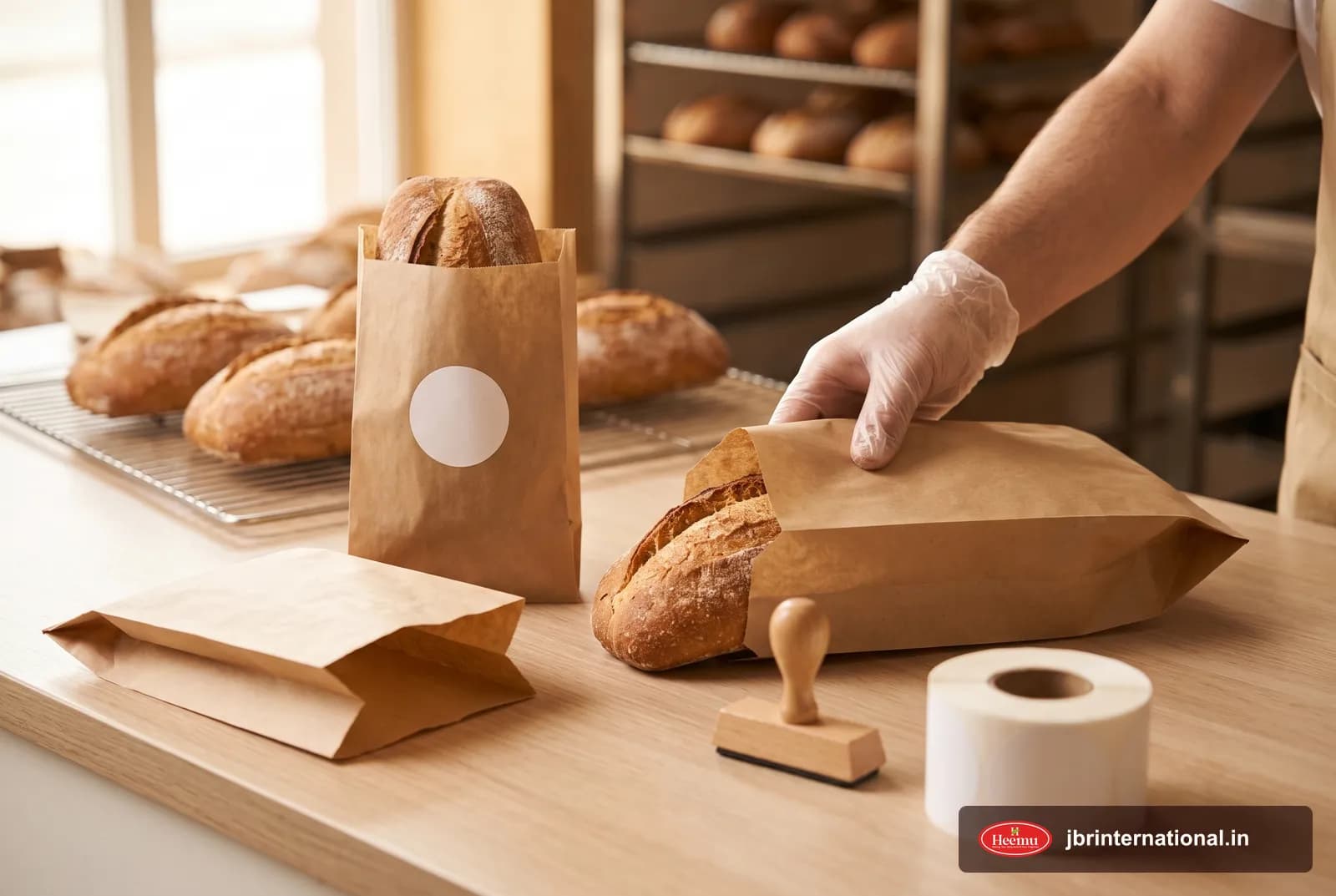
A retail bakery outlet is optimised for walk-in, per-item transactions: someone browsing a display case, buying a few items at shelf price, paying at a till. That model is genuinely good at what it's built for — variety, immediate availability, no advance ordering. What it isn't built for is purchase-order-based corporate buying: standing weekly volumes, GST invoicing tied to a PO number, or a single account contact who understands your recurring order rather than treating each visit as a new transaction.
What a Dedicated B2B Supplier Is Actually Built For
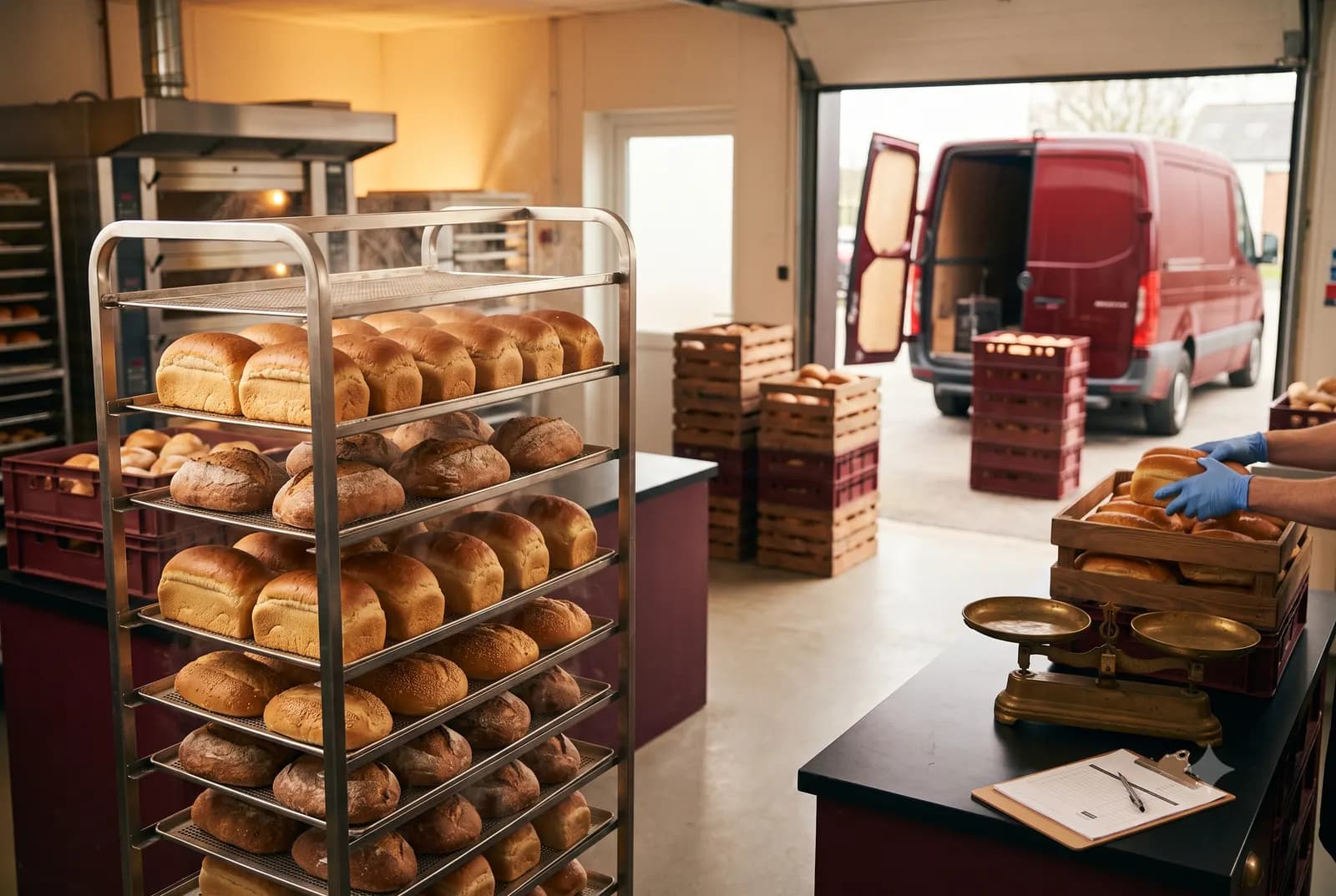
A B2B bulk supplier's entire operation is structured around the opposite model: standing orders, volume pricing, GST-compliant invoicing, and a named account contact who handles changes without you re-explaining your requirements each time. Production planning assumes recurring demand rather than walk-in variability, which is also what makes consistent batch quality achievable at volume — the same specification, delivered the same way, order after order.
Comparing the Two Models
| Factor | Retail Bakery Chain | Dedicated B2B Supplier |
|---|---|---|
| Built for | Walk-in, per-item retail purchases | Recurring, purchase-order-based bulk orders |
| Pricing structure | Per-item retail margin | Volume-based wholesale pricing |
| Invoicing | Point-of-sale billing, GST invoices inconsistent for bulk orders | GST-compliant invoicing as standard |
| Order consistency | Depends on what's on the shelf that day | Produced to a fixed spec, order after order |
| Account relationship | Whoever's at the counter that visit | Single named account contact |
| Delivery | Usually self-pickup, or limited delivery radius | Scheduled delivery built into the service |
| Best suited to | Small, occasional orders | Recurring pantry, event or tuck shop supply |
Where a Retail Chain Can Still Make Sense
A retail bakery isn't the wrong choice for everything. A genuinely one-off order — a small celebration, a handful of items for a same-day need, or simply wanting to see and choose from a display case in person — is a fair use case for walk-in retail. The comparison only tips clearly toward a B2B supplier once volume grows or the order starts repeating on any kind of schedule.
The Real Cost Difference at Volume
Retail pricing is built around a margin that makes sense for a single customer buying a few items — it's not designed to scale down as order size goes up. A B2B supplier's volume pricing is the reverse: the per-unit rate is structured to get more favourable as the order size grows, because that's literally the business model. For a corporate order of any real size — a weekly office snack box programme, a standing tuck shop supply, an event needing hundreds of pieces — a dedicated supplier's quoted rate is typically lower than retail shelf pricing multiplied out, sometimes considerably so.
Compliance & Invoicing — the Overlooked Factor
This is the factor most procurement teams underestimate until it becomes a problem: a retail bakery's billing system is generally built for point-of-sale transactions, not purchase-order-based corporate accounting. Getting a proper GST invoice tied to a PO number for a bulk retail purchase can mean extra back-and-forth that a finance team doesn't want to repeat every order cycle. A B2B supplier treats GST-compliant, PO-referenced invoicing as a baseline part of the service, which is one less thing procurement has to chase.
Questions to Ask Before Choosing
- Is this a one-off order, or will it repeat on any kind of schedule?
- Do we need a GST invoice tied to a purchase order for accounting?
- How much does our order size actually benefit from volume pricing versus retail per-item pricing?
- Do we need a single account contact who understands our standing requirements, or is a different person at the counter each time acceptable?
- What delivery radius and scheduling do we actually need, versus self-pickup being workable?
Conclusion
A retail bakery chain and a dedicated B2B bulk supplier solve different problems. For a genuinely occasional, small order, retail convenience is a fair choice. For anything recurring — a pantry programme, a tuck shop, event catering on any regular basis — the invoicing, volume pricing and consistency of a dedicated B2B supplier is built for exactly that, in a way retail billing generally isn't.
JBR International supplies corporate offices and institutions across Gurugram and Delhi-NCR with GST-invoiced bulk bakery orders — snack boxes, event platters, and standing tuck shop supply — backed by a single account contact and FSSAI-documented production. See our corporate bakery solutions or request a quote.
Frequently Asked Questions
Should a company buy bakery items from a retail chain or a B2B bulk supplier?
For a one-off small order, a retail bakery outlet is often fine. For recurring orders — a weekly pantry restock, a standing tuck shop supply, or anything that needs a GST invoice against a purchase order — a dedicated B2B supplier is almost always the better fit, since retail billing usually isn't built for corporate procurement.
Do retail bakery chains provide GST invoices for bulk corporate orders?
Some do for larger orders on request, but retail billing systems are generally built around per-item point-of-sale transactions, not purchase-order-based corporate invoicing. A dedicated B2B supplier issues GST-compliant invoices as standard practice, which is usually simpler for a finance team to reconcile.
Is a B2B bulk supplier more expensive than a retail bakery for large orders?
Usually the opposite — retail pricing is built around per-item margins meant for walk-in customers, while B2B suppliers price on volume. For a genuinely bulk order, a dedicated supplier's per-unit rate is typically lower than retail shelf pricing multiplied out.
What if we only need bakery items occasionally, not on a regular schedule?
For genuinely occasional, small orders, a retail bakery's walk-in convenience can make sense. Once the order size grows or starts repeating on any kind of schedule, the invoicing and consistency benefits of a dedicated B2B supplier tend to outweigh the convenience of a retail counter.

About the Author
Vipul Chauhan · Development & Marketing
Vipul leads brand development and marketing strategy at JBR International Ventures Private Limited, writing on B2B bakery sourcing, bulk bread supply and kitchen operations for restaurants, hotels and cloud kitchens across Delhi-NCR.