Banquet Bread Planning: How Many Dinner Rolls per Guest, and How to Serve Them Warm with a Small Team
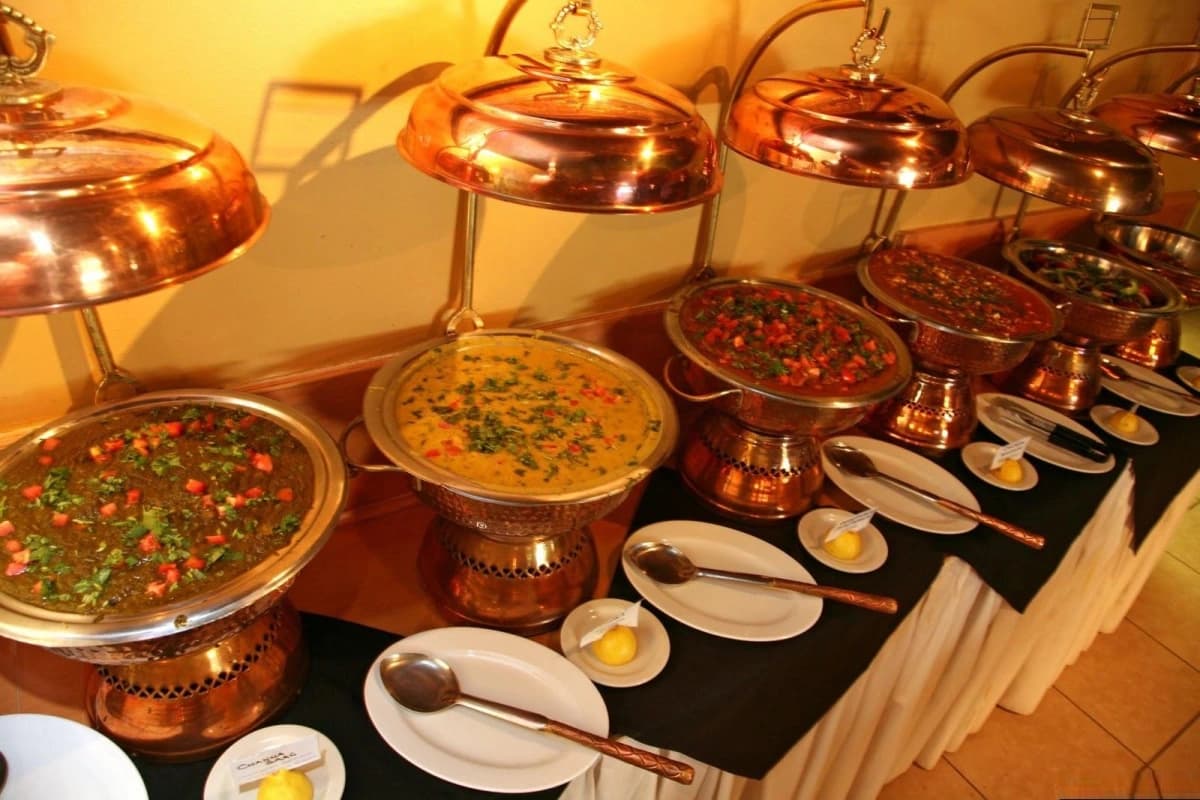
Bread is rarely the dish guests talk about at a banquet, but they notice when it runs out, arrives cold or turns hard on the buffet. For caterers, banquet halls and hotel event teams, the problem is rarely the bread itself. It is getting the quantity right for several hundred guests and serving it well when the kitchen team is already stretched. This guide gives you per-guest starting quantities, the formats that work best at scale, and a simple routine for serving bread warm with a small team.
How Many Dinner Rolls per Guest?
There is no single answer, because the right quantity depends on what else is on the menu. Use these figures as a starting point, then adjust them using what was left over at your past events.
| Service style | Rolls per guest | Why |
|---|---|---|
| Plated Western or Continental dinner | 2 | Bread is served with soup and the main course, and baskets are often refilled |
| Continental buffet | 1.5 to 2 | Guests take bread once or twice alongside other carbohydrates |
| Indian buffet with naan, roti or kulcha | About 1 | Bread rolls compete with Indian breads, so many guests skip them |
| Mixed Indian and Continental menu | 1 to 1.5 | Demand splits between counters, so watch which one is busier |
| Cocktail or standing reception | 3 to 5 bread-based bites | Count slider buns, canapé bases and crostini rather than rolls |
Add a buffer of 5 to 10% on top of your calculated quantity. A long event, a late-running programme or a younger crowd usually needs the higher end. A short lunch with a heavy menu usually needs less.
A worked example
For a 400-guest wedding reception with an Indian buffet and a small Continental counter, plan about 1.25 rolls per guest. That is 500 rolls, or 550 with a 10% buffer. If you also serve a soup station, move closer to 1.5 per guest.
Which Bread Formats Work Best for Large Events?
The right format saves more labour than any serving trick. When you have hundreds of guests and only a few people on service, choose bread that is quick to portion and holds its quality.
- Individual dinner rolls. These are the easiest to count, portion and replenish. Soft rolls stay pleasant longer than crusty ones on a buffet.
- Focaccia slabs. One slab cut into squares feeds many guests, looks premium and stays moist longer than most crusty breads.
- Sliced artisan loaves. These suit plated service, where staff place bread on each table. On a buffet, slices dry out faster than whole rolls.
- Garlic bread. It is popular at mixed-menu events and simple to finish in the oven, but plan for it to be eaten quickly.
- Slider buns, canapé bases and crostini. These are for cocktail receptions and pre-dinner service, where guests eat standing up.
Many caterers offer two formats only: one soft roll for volume and one premium item, such as focaccia, for presentation. Keeping the bread range small makes ordering, counting and replenishment easier. Our specification checklist shows how to brief a supplier on sizes for slider buns and sandwich bread.
How Do You Serve Bread Warm with a Small Team?
Warm bread makes a better impression, but heating 500 rolls at once does not work. The bread either goes cold before it is served or dries out while it is held. Serve it in small batches instead.
- Time the delivery. Fresh bread delivered on the morning or afternoon of the event needs only a short refresh. Agree the delivery window with your supplier in advance.
- Split the order into batches. Divide the bread into trays sized for 15 to 20 minutes of service, not for the whole event.
- Refresh in a hot oven for a few minutes. A brief refresh brings back the crust and aroma. Test the time and temperature on your own ovens before the event, because banquet-hall ovens vary.
- Serve in cloth-lined baskets. A cloth keeps rolls warm for longer and stops them drying out.
- Replenish little and often. Smaller, frequent refills keep the counter looking full without leaving bread to go stale.
- Give one person the bread station. One person who refreshes, refills and watches demand is usually enough for a mid-sized event. Without an owner, bread is the first thing to be forgotten during a rush.
Two common mistakes are holding bread in a steam chafing dish, which makes the crust soggy, and leaving it under a heat lamp for a long time, which dries it out.
When Should You Order, and What Should You Confirm?
Large events need production planning, so give your supplier enough notice. At JBR, 48 hours is usually enough for a small gathering under 50 guests. Events above 150 guests need 7 or more days' notice so production can be planned around your date.
Confirm these details when you place the order:
- Final guest count and service style, so the quantity matches the menu.
- Formats and sizes, such as roll weight or focaccia slab size.
- Delivery address, time window and contact person at the venue. Banquet halls often have separate service entrances and loading rules.
- Packaging, including whether bread arrives in trays ready for batching.
- The deadline for changing the count. With JBR, small adjustments of around 10 to 15% are usually accommodated up to 24 to 48 hours before the event.
- Invoicing details, including GST information if you are billing the event client.
If you also need cakes or a dessert table for the same event, put them on the same order so they arrive in one delivery window. Our guide to why restaurants outsource desserts covers what to look for in a dessert supplier.
Fresh or Frozen for Banquets?
Frozen or par-baked bread lets a caterer build stock ahead of a large booking, which is useful at remote venues or during a run of back-to-back events. The trade-off is that your team needs freezer space and enough oven time close to service. If your venues are on a reliable delivery route, fresh bread delivered on the day is usually simpler. Our frozen bread buying guide compares the formats in detail.
Conclusion
Plan banquet bread around the menu, not the headcount alone. Start with 2 rolls per guest for a plated Western dinner and about 1 for an Indian buffet, add a small buffer, and record what is left over so the next event is more accurate. Choose formats that are quick to portion, refresh bread in small batches, and give one person ownership of the bread station.
JBR International supplies dinner rolls, focaccia, artisan loaves, slider buns and celebration cakes to caterers, banquet halls and hotel event teams across Gurugram and Delhi-NCR. See our events and catering supply, or tell us your guest count and event date and we will help you plan the order.
Frequently Asked Questions
How many dinner rolls do I need per guest for a banquet?
As a starting point, plan about 2 rolls per guest for a plated Western-style dinner with a bread basket, 1.5 to 2 for a Continental buffet, and about 1 for an Indian buffet where naan or roti is also served. Add a 5 to 10% buffer, then adjust using your actual leftovers from past events.
How far in advance should a caterer order bread for a large event?
For JBR, 48 hours is usually enough for a small gathering under 50 guests, while events above 150 guests need 7 or more days' notice so production can be planned around your date. Confirm the final count 24 to 48 hours before the event.
How do you keep dinner rolls warm at a buffet?
Refresh rolls in small batches in a hot oven for a few minutes rather than heating everything at once, serve them in cloth-lined baskets, and replenish little and often. Avoid holding bread in steam chafing dishes, which make the crust soggy, or under heat lamps for long periods, which dry it out.
Should a banquet serve rolls, sliced bread or focaccia?
Individual dinner rolls are the easiest to portion and serve. Focaccia slabs are a good choice when you want a premium look but have little service time, since one slab can be cut into many portions. Sliced artisan loaves suit plated service, while slider buns and canapé bases work for cocktail-style events.
Can the bread order change if the guest count changes?
With JBR, small adjustments of around 10 to 15% are usually accommodated up to 24 to 48 hours before the event. Larger changes are easier to absorb the earlier you flag them, so tell your coordinator as soon as the number moves.

About the Author
Hardeep Rana · Head Chef
Chef Hardeep leads product and recipe development at JBR Bakery, drawing on more than two decades of culinary experience to ensure every bread, bun and pastry meets a consistent standard of taste and hygiene.